


Designing Hydraulic Tube and Fittings Layouts for Retrofit Projects
Retrofitting hydraulic tubes and fittings into an existing plant is never as simple as copying what is already there. Older pipe runs, tight access and equip...

Specifying Hydraulic Tube and Fittings for Food-Grade Systems
Hydraulic tubes and fittings are often hidden away, but in a food or drink plant they are very much on show during an audit. Inspectors, technical teams and ...

Hydraulic Tube and Fittings Layout in Compact Skids: Assembly and Serviceability
Packing more hydraulic power into smaller skids is now normal. Space in plant rooms and on mobile equipment is tight, shipping frames are fixed sizes, and ev...

Leak-Free Stainless Steel Tube Systems in Washdown Plants
Food, drink and pharmaceutical washdown areas live or die by their pipework. If the stainless steel tube systems that feed water, detergents and product star...

Prevent Stainless Steel Tube Corrosion in Hydraulics: Grades, Chlorides, Finish
Protecting Hydraulic Reliability Through Better Tube Choices Stainless steel tube is often chosen for hydraulic lines because it is seen as strong, clean, and long-lasting. But in real UK conditions with damp air, salt spray, washdowns, and cold months, stainless can still corrode if the wrong grade or finish is used. When that happens, it brings leaks, loss of pressure, contamination, and unexpected downtime. Corrosion is not just a maintenance headache; it is a design problem. If the material grade, surface finish, and mixed metal connections are not thought through at the start, you can build corrosion risk into the system [...]
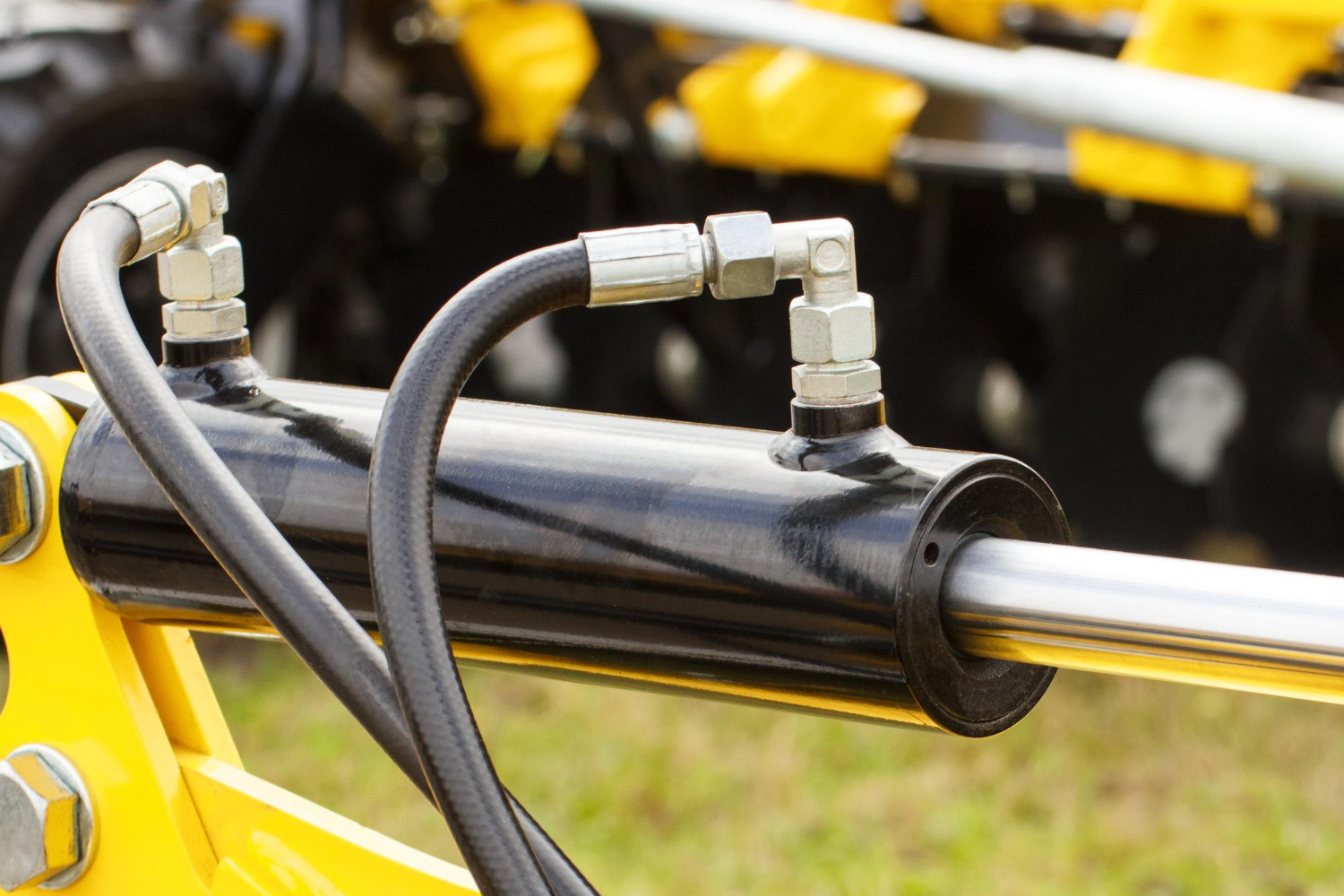
Hydraulic Hose Coupling Standardization and Spare Parts Strategy for 24/7 Plants
Turn Unplanned Hose Failures Into Planned Changeouts Unplanned hydraulic hose failures are bad news in any plant. In a 24/7 operation, they are worse. One damaged hose coupling can stop a line, leave orders late, and force call-outs at awkward hours. That gets even more painful as demand climbs in the run-up to colder weather, when capacity is already tight. A better way is to treat hydraulic hose couplings as part of a planned strategy, not just spares on a shelf. When we bring spare-parts planning and standardisation together, we move from firefighting to calm, scheduled work. That matters before any [...]
Social